
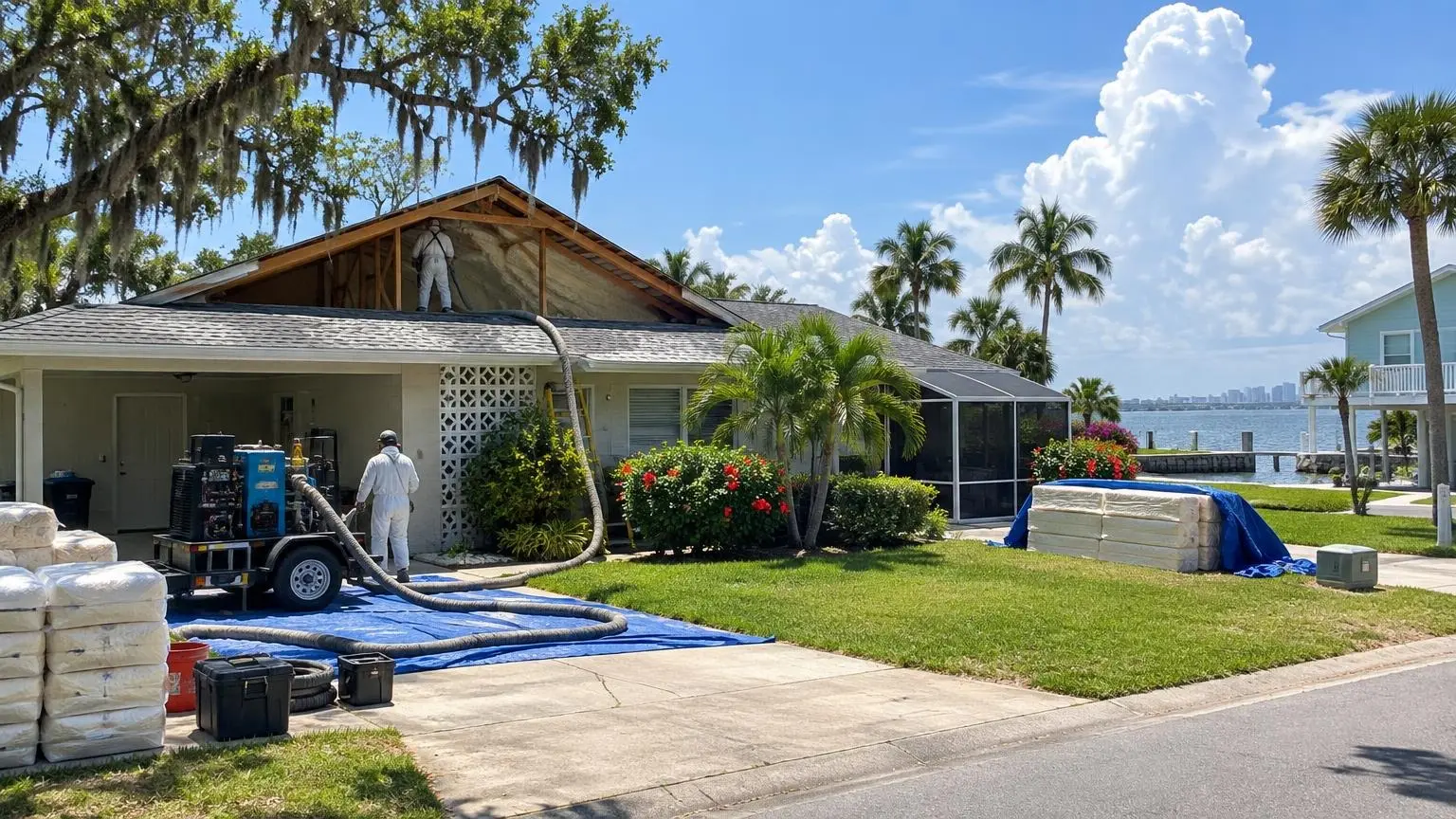
Unvented attics for ducts in the heat
Roof Deck Spray Foam in Clearwater, FL
When your AC equipment lives in the attic, insulating at the roof line can make more sense than adding to the floor.
- Free on-site estimates
- Written quote naming foam type, thickness and R-value for each area
- Attic, ducts and roof leaks checked before anything is covered
Moving the Insulation Up to the Roof
Roof deck spray foam means insulating the underside of the roof sheathing instead of the attic floor. In a lot of Clearwater-area homes the air handler, the ductwork or both sit in the attic. With the insulation on the floor, that equipment spends every summer afternoon in a space hotter than the air outside, and any duct leak blows cooled air into it. Spraying foam on the roof deck turns the attic into a semi-conditioned space so the equipment and ducts work in much milder air.
How it differs from a normal attic
A standard Florida attic is vented: air moves in through the soffits and out at the ridge, and the insulation sits on the ceiling. With roof deck foam, the soffit and ridge vents are closed off, the foam is sprayed between the rafters or trusses against the sheathing, and the attic becomes part of the insulated volume of the house. The old floor insulation can stay in some cases, or it can come out to make the attic usable for storage. The quote spells out which.
The code side
Florida's residential code covers this setup in section R806.5, which sets the conditions for unvented attic and unvented rafter assemblies. The prescriptive energy code number for ceilings in climate zone 2 is R-38, and the foam thickness has to be planned with that and the unvented attic rules in mind. Your building department has the final say on permitted work. We size the foam thickness to the plan and write it on the quote so you, and the inspector if a permit is pulled, can see what is going in.
Open-cell or closed-cell under the deck
Under a pitched roof with standard rafters or trusses, open-cell foam is the common choice: it costs less per square foot, expands to fill the bays, and gives a roofer the chance to find a leak because water passes through it. Closed-cell suits low-slope roofs, shallow rafters and spots where more R-value is needed in less space. Some roofs get a mix. On every job the quote names the foam type and thickness for each section of the roof.
Before we spray, the roof gets a look
Foam will hide the underside of the deck, so we check it first for stains, soft spots, nail leaks and damaged sheathing. If the roof is near the end of its life, it often makes sense to replace it before foaming, and some homeowners time the foam job right after a reroof. Shingle manufacturers have their own positions on foam under the deck; ask your roofer or check your roof's warranty terms before you commit.
Air and humidity once the attic is sealed
An unvented attic is no longer flushed with outside air, so it shares air with the house. We talk through how that is handled for your home, which may involve the HVAC contractor. Humidity control is the AC's job; the foam's job is to stop the attic from heating up and to keep humid outdoor air from leaking in through the roof line.
Is it worth it?
It costs more than topping up the attic floor. HomeGuide's range for foam under a roof deck is $1,500 to $9,000, and Fixr lists $2,500 to $12,000 for foam in an existing attic. If your ducts are in the attic and your upstairs never cools, or you want a cooler attic for storage, it is worth pricing. If the air handler is in a closet and the ducts are in the slab or interior soffits, adding to the attic floor usually wins on cost. We will tell you which way we would go and why.
Get a free estimate or call (727) 286-3704 to have us look at your roof and attic.
What a Roof Deck Job Includes
The parts of a typical roof line foam job.
Roof and attic inspection
Checking the sheathing for leaks and damage and noting where ducts and equipment sit.
Closing soffit and ridge vents
Sealing the vent openings so the attic can be part of the insulated space.
Foam on the deck and gable walls
Open-cell or closed-cell sprayed to the planned thickness across the roof and gable ends.
Old floor insulation
Left in place or removed, depending on the plan and whether the attic will be used for storage.
Ignition barrier where required
A coating or covering over exposed foam where the code calls for one in an attic.
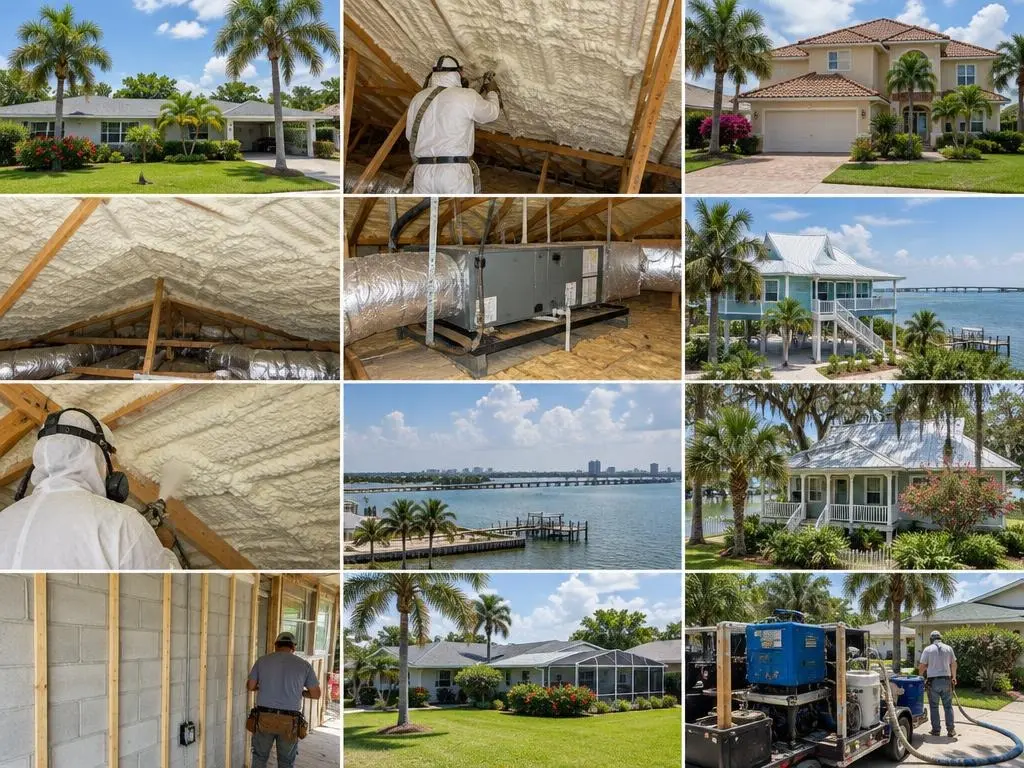
Roof Deck Spray Foam Cost Ranges
| Job | Range and source |
|---|---|
| Foam on the underside of the roof deck | $1,500 to $9,000 (HomeGuide) |
| Foaming an existing home's attic | $2,500 to $12,000 (Fixr) |
| Open-cell, per sq ft | $1.50 to $3.50 (HomeGuide) |
| Closed-cell, per sq ft | $3.00 to $5.00 (HomeGuide) |
| Removing old floor insulation | $1 to $2 per sq ft (HomeGuide) |
| Typical spray foam minimum | $1,000 to $2,000+ (HomeGuide) |
Figures are national ranges from HomeGuide (2026) and Fixr (2025). Roof size and pitch, foam type and thickness, gable walls and whether old insulation comes out all change the total. The price that counts is the one on the written estimate we give you after looking at the house.
How a Roof Deck Job Runs
1. Inspect the roof and attic
We check the deck, find the ducts and equipment and measure the roof area.
2. Plan and quote
Foam type, thickness, vent closures and what happens to the old insulation, all in writing.
3. Prep
Ducts, equipment and stored items are covered, and the house below is protected.
4. Spray
Foam is applied to the deck and gable walls in passes to the planned thickness.
5. Finish and review
Ignition barrier where needed, cleanup and a walk-through.
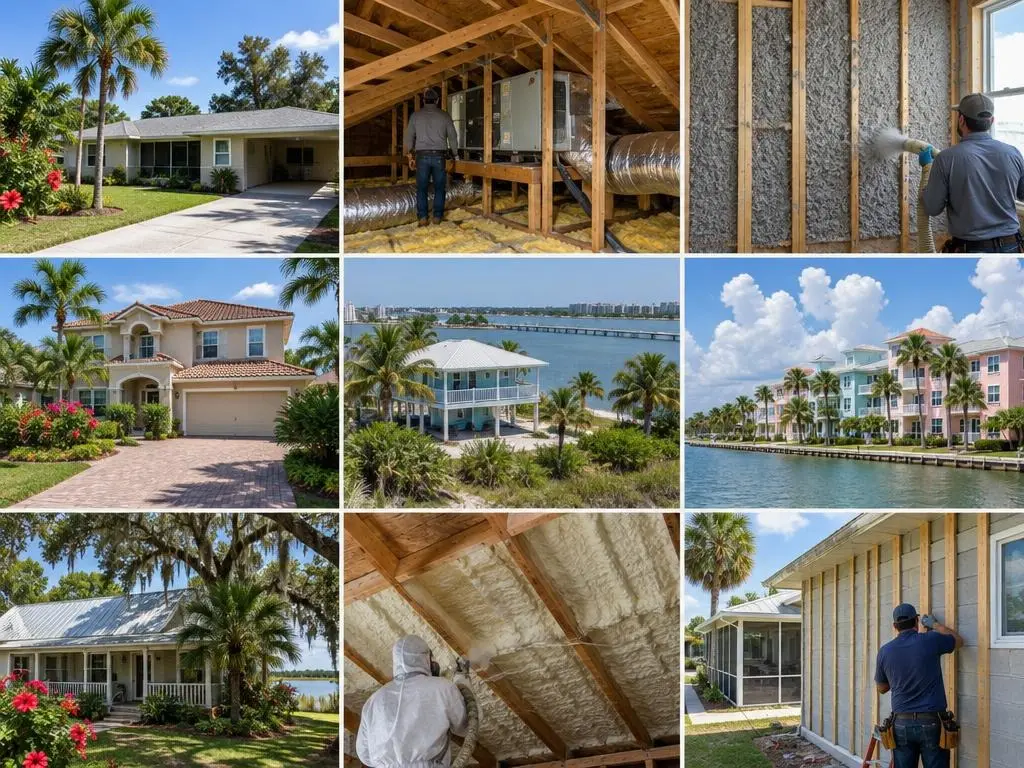
Why Choose Us for Roof Deck Spray Foam
Both options priced
If an attic floor top-up would do the job, you will see that price next to the roof deck price.
Roof first
We point out leaks or worn sheathing before anything gets covered.
Roof Deck Spray Foam Questions
Does roof deck foam void my shingle warranty?
Policies differ by shingle maker. Some address foam under the deck directly and some do not. Check with your roofer or the manufacturer before the job.
Will an unvented attic get moldy?
A properly designed unvented attic with the right foam, a sound roof and air shared with the conditioned house should stay dry. Problems tend to come from roof leaks, the wrong foam thickness or attics sealed off with no connection to the house's air.
Can I keep the old insulation on the attic floor?
Sometimes. It can stay if it is clean and dry, but many owners have it removed so the attic can be used for storage and the house and attic share air freely. The quote shows both choices.
How long does roof deck foam take?
Many single-family roofs are sprayed in a day, with prep the day before or the same morning. You should plan to be out while it cures; HomeGuide advises 24 hours or more.
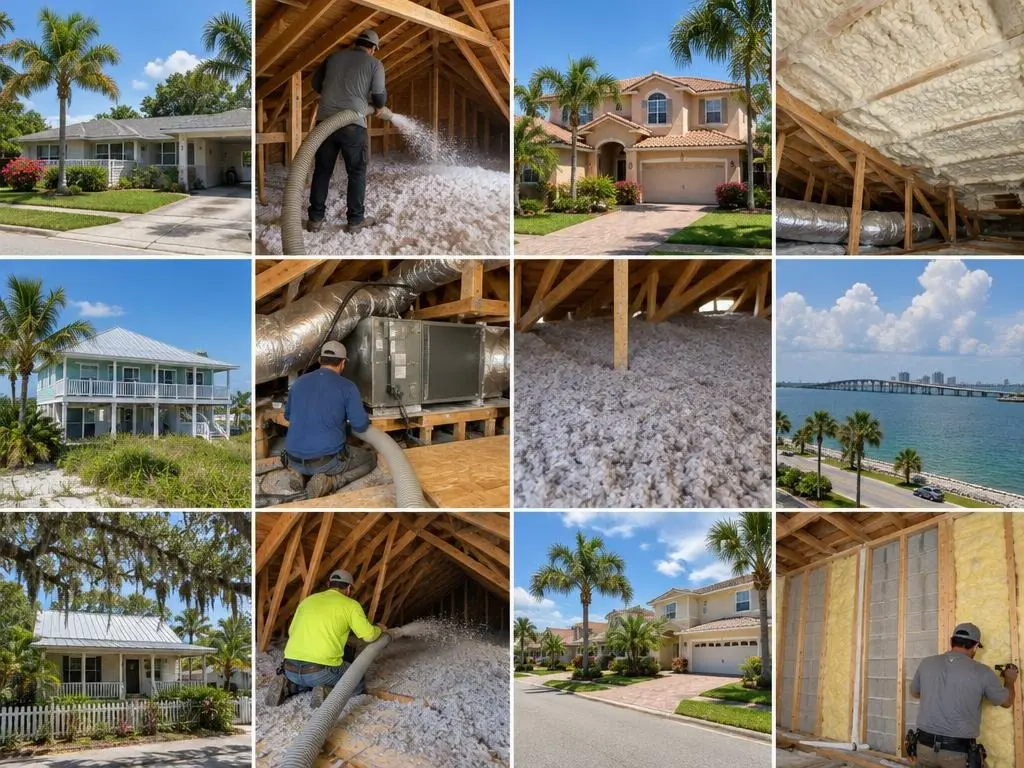
Roof Deck Spray Foam Service Areas
- Spray Foam Insulation in Clearwater, FL
- Spray Foam Insulation in Largo, FL
- Spray Foam Insulation in Dunedin, FL
- Spray Foam Insulation in Palm Harbor, FL
- Spray Foam Insulation in Safety Harbor, FL
- Spray Foam Insulation in Oldsmar, FL
- Spray Foam Insulation in Tarpon Springs, FL
- Spray Foam Insulation in Seminole, FL
- Spray Foam Insulation in Pinellas Park, FL
- Spray Foam Insulation in East Lake, FL
- Spray Foam Insulation in Belleair, FL
- Spray Foam Insulation in Belleair Bluffs, FL
- Spray Foam Insulation in Indian Rocks Beach, FL
- Spray Foam Insulation in Holiday, FL
- Spray Foam Insulation in New Port Richey, FL
- Spray Foam Insulation in Trinity, FL
- Spray Foam Insulation in Westchase, FL
- Spray Foam Insulation in Town 'n' Country, FL
- Spray Foam Insulation in Kenneth City, FL
- Spray Foam Insulation in Madeira Beach, FL
Get a Roof Deck Spray Foam Estimate
We will check the roof and attic and price the roof deck and attic floor options side by side.